Fully Dosed vs. Blended Labels: Why This Distinction Matters
The three labeling patterns in this category
Fully dosed: every ingredient carries its own stated milligram amount, letting you compare directly against published research. This is genuinely uncommon.
Fully blended: no individual amounts disclosed at all, only a combined total. This is the most common pattern across the supplement industry.
Partially dosed: some ingredients disclosed, others folded into an undisclosed remainder.
Where MemoHoney sits
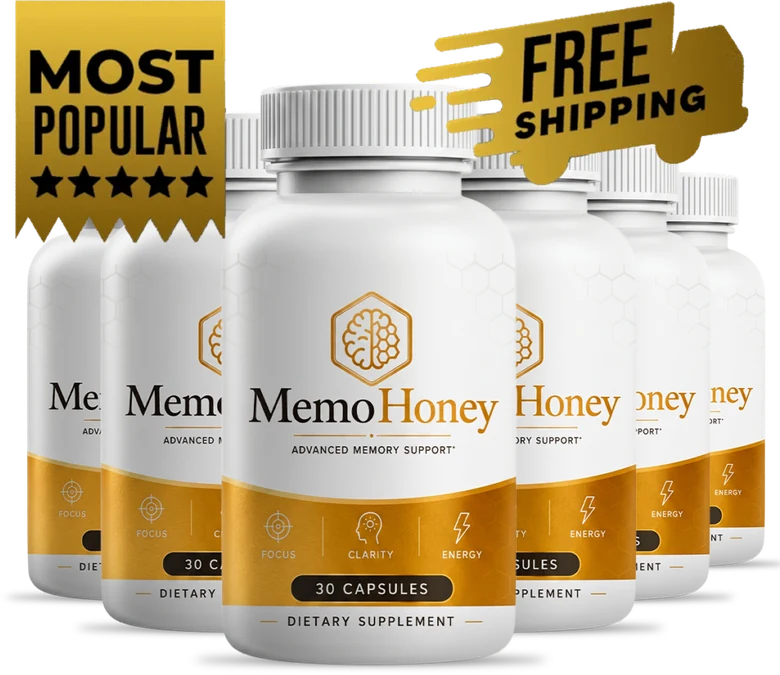
Based on the sources we reviewed, MemoHoney's label falls squarely into the first, least common category: fully dosed, with each of its seven ingredients carrying a specific stated amount.
Why this genuinely matters as a buyer
You can compare against research doses directly. A 200mg L-Arginine figure can be checked against published studies in a way a hidden blend total cannot.
It signals a different manufacturing philosophy. Publishing exact doses, including for lower-impact ingredients like Calcium at 18mg, suggests a brand willing to be fully transparent rather than curating which numbers to reveal.
It sets a higher bar for evaluating the product honestly. With every number visible, there is less room for the marketing to outrun what the label actually supports.
Applying this to MemoHoney
MemoHoney's seven-ingredient, fully dosed label is a genuine differentiator in this category. See our full 90-day assessment for how this weighs against the formula's other characteristics.